
Dog Groomer Pet Insurance: Business Coverage Is Usually the Real Question
For a dog groomer, “pet insurance” usually means business insurance for the grooming operation, not health insurance on a customer’s dog. Start with general liability and service-business risks, then ask a licensed commercial agent about coverage for animals in your care, property, employees and vehicles as applicable to your operation and state.
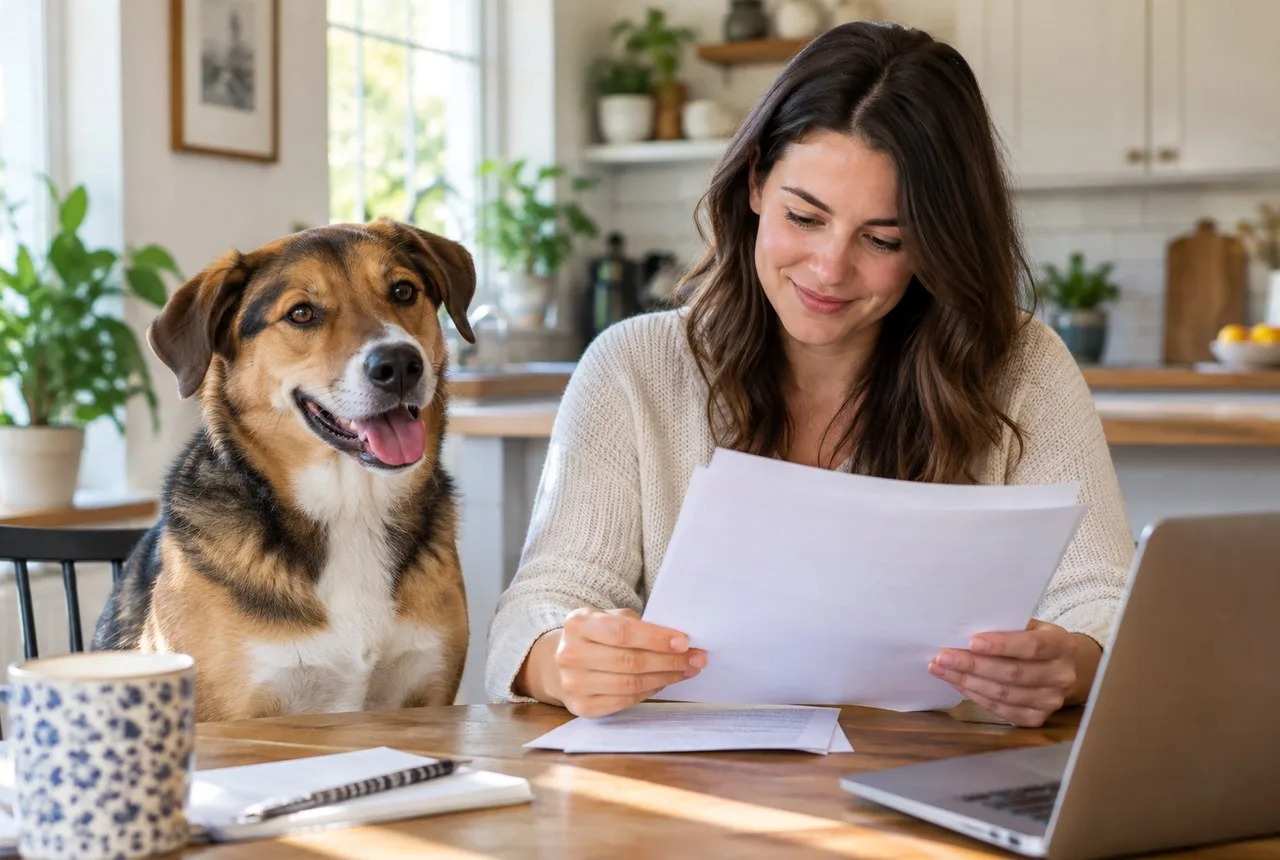
A groomer has custody and service risks that an ordinary pet-health policy is not designed to cover. Describe your operation accurately—mobile or shop-based, employees or solo, animals in your care, pickup/delivery, retail products—so a commercial agent can identify the relevant policy forms.
Do not assume a personal pet-health policy protects a grooming business. Liability for animals in your care, employees, business property and vehicles belongs in a commercial-insurance review tailored to how the grooming operation actually works.
Separate grooming-business insurance from pet health insurance
For a groomer, the relevant product is usually commercial insurance for the operation, not a medical-expense policy on a customer’s dog.
| Product / coverage | What problem it addresses | What to compare |
|---|---|---|
| General liability | Third-party bodily injury/property damage exposures of the business. | Limits, exclusions, premises/operations. |
| Professional/service liability | Service-related allegations such as errors/negligence, depending on product. | Whether grooming services are within the covered operations. |
| Animals in your care | Custody/control exposure may need specific treatment or endorsement. | Ask directly how injury to a customer’s animal is handled. |
| Workers’ compensation | Employee work-injury coverage, governed by state law. | Whether/when your state requires it. |
| Commercial auto/property | Vehicles, mobile units, equipment or shop property if applicable. | Describe the actual operation to the agent. |
Grooming-operation risk checklist
Before comparing premiums, describe whether the business is mobile or shop-based, what services it performs, animals in its care, staff, vehicles and property exposure.
- Is the grooming business mobile, home-based or in a commercial shop?
- Do you have employees, contractors or only the owner working?
- Are customer animals ever transported, boarded or left in your custody?
- Do you sell retail products or only grooming services?
- Which state/local insurance or licensing requirements apply to the operation?
Where pet health insurance fits—and where it does not
Keep the boundary explicit.
A pet-health policy on your own dog does not replace business liability coverage for grooming customers. If you also want health coverage for a personal pet, handle that as a separate insurance purchase after the business policy is sorted out.
Sources used for Dog Groomer Pet Insurance
These sources support the regulatory, market or veterinary facts used for dog groomer pet insurance. Policy terms can change, so the current policy form controls.
Questions about Dog Groomer Pet Insurance
Business-insurance answers to the operational questions a grooming business is most likely to face.
No. A pet-health policy pays eligible veterinary costs for an insured animal. A grooming business instead needs to evaluate commercial risks such as liability, animals in its care, business property, employees and vehicles as applicable.
Describe whether the business is mobile or shop-based, the services performed, animals kept in your care, employees or contractors, pickup or delivery, business vehicles, property and any prior claims. Those facts help a licensed commercial agent identify relevant policy forms.
No. Required and useful coverage can vary by state and by how the operation is structured. The SBA recommends assessing business risks, checking state requirements and comparing terms with a licensed agent.